1The challenge
An FMCG startup with a premium snack brand wanted to enter the quick commerce channel — Blinkit, Zepto, and Swiggy Instamart — with no prior platform experience, no existing reviews, and limited marketing budget. The founders had underestimated how different q-commerce marketing is from traditional retail or D2C e-commerce.
2What we built
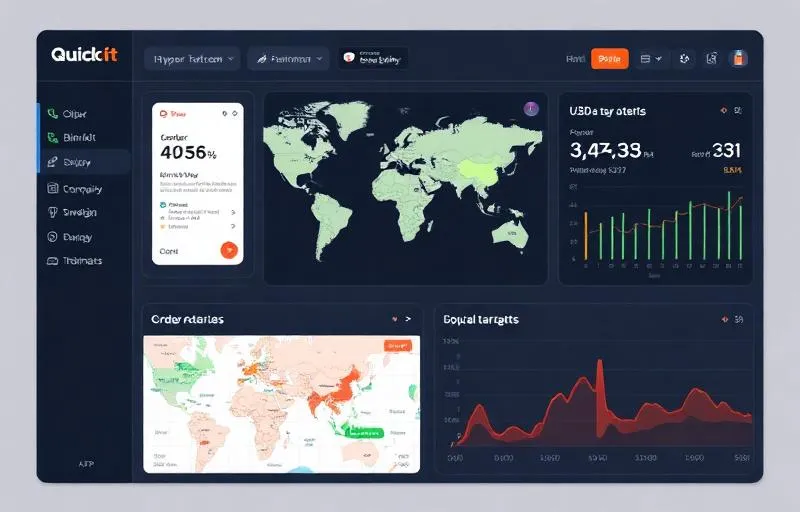
We managed the end-to-end launch strategy: platform onboarding and catalogue optimisation for all three platforms, in-platform ad campaigns (Blinkit Ads, Zepto Ads, Instamart Ads) focused on dark store areas with good inventory coverage, hyperlocal Meta campaigns targeting pin codes around high-inventory dark stores, and a review generation strategy for the first 30 days.
3How it works
Quick commerce is not like Amazon or a D2C store. Discovery is hyper-localised — your ads only make sense in areas where a dark store actually has your product in stock. Running ads to customers 15km from the nearest stocked dark store wastes budget and generates cancellations. This is the fundamental mistake most FMCG brands make when entering q-commerce.
We started with onboarding: ensuring catalogue images met each platform's spec, writing keyword-optimised product titles and descriptions for each platform's search algorithm, and setting up proper variant listings for different pack sizes. A poorly set-up catalogue limits search visibility from day one.
In-platform campaigns were structured around inventory coverage. We pulled dark store inventory data weekly and only ran ads in pin codes where stock was confirmed above reorder threshold. As inventory expanded to more dark stores, we expanded the ad coverage geo-targeting simultaneously.
Parallel to in-platform ads, we ran hyperlocal Meta campaigns targeting users within 3km of each dark store with good inventory. The creative highlighted the 10-minute delivery proposition. Meta's location-based targeting is more flexible than what the platforms themselves offer, giving us an advantage in driving first-trial orders.
Review generation was systematic: customers who rated 4+ on platform were sent a personalised follow-up requesting a written review with a small incentive (10% off next order). Within 30 days, each product had 50+ reviews averaging 4.7/5 — which significantly boosted organic search placement and conversion rate.
Built with
- Blinkit Ads
- Zepto
- Hyperlocal Meta Ads
- Swiggy Instamart